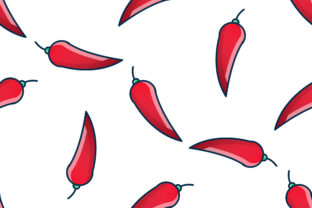
Pepper Seamless Pattern: A Versatile Tool for Creative Workflows
The pepper seamless pattern is a design asset that offers unique visual texture and consistency, making it an invaluable resource for creators working across multiple digital platforms. Whether you're designing for print, web, or mobile applications, the pepper seamless pattern provides a seamless repeat that maintains visual harmony without visible seams. This makes it ideal for backgrounds, fabric designs, website elements, and more.
Understanding the Pepper Seamless Pattern
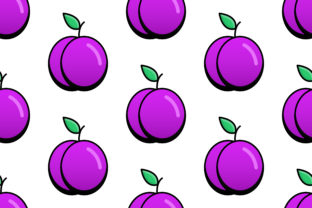
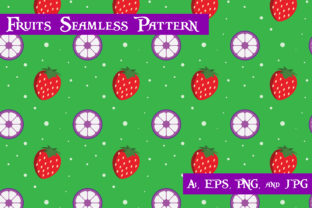
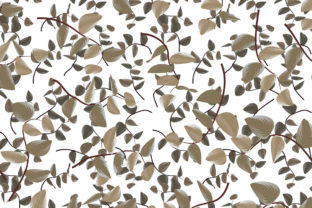
A seamless pattern is a repeating design that can be tiled infinitely without breaking at the edges. The pepper seamless pattern specifically features small, scattered pepper-like dots arranged in a way that allows for smooth repetition. It’s crafted to maintain visual interest while ensuring continuity in design layouts.
This type of pattern is especially useful when creating textures for digital projects. Unlike traditional patterns that may have noticeable gaps or misalignments, the pepper seamless pattern ensures that the design remains cohesive and visually appealing regardless of how many times it repeats.
Where Does the Pepper Seamless Pattern Fit In?
The pepper seamless pattern can be integrated into various stages of a creative workflow. It serves as both a foundational element and a finishing touch, depending on the project's needs.
Before a Project: When planning a design, the pepper seamless pattern can act as a reference point for texture and color balance. It helps establish a consistent visual tone that aligns with the overall theme of the project.
During a Project: As you develop your design, the pepper seamless pattern can be used as a background layer. It adds depth and character without overpowering other design elements. For instance, in UI/UX design, it can be applied to buttons, dividers, or card backgrounds to enhance visual appeal.
After a Project: Once a design is complete, the pepper seamless pattern can be used for branding materials, such as social media graphics, banners, or packaging. Its versatility allows it to adapt to different formats and mediums.
How It Integrates With Other Tools and Processes
The pepper seamless pattern works well with a variety of design tools and workflows. Whether you’re using Adobe Photoshop, Illustrator, Figma, or Canva, the pattern can be easily imported and customized to fit your project’s needs.
Compatibility: Most design software supports seamless patterns, allowing for easy integration. When importing the pepper seamless pattern, ensure that the file format (such as PNG or SVG) is compatible with your chosen tool.
Workflow Integration: To maximize efficiency, consider incorporating the pepper seamless pattern early in your design process. Use it as a base layer to test color schemes, layout structures, and visual balance before finalizing other design elements.
Collaboration: When working with a team, the pepper seamless pattern can serve as a shared asset. By storing it in a centralized design library, all team members can access and use it consistently across different projects.
Practical Tips for Using the Pepper Seamless Pattern
To get the most out of the pepper seamless pattern, follow these practical implementation tips:
- Use it as a background: Apply the pattern to backgrounds in web and app designs to add subtle texture without overwhelming the user interface.
- Layer it with other elements: Combine the pepper seamless pattern with solid colors, gradients, or other textures to create dynamic compositions.
- Test it across devices: Ensure that the pattern looks good on different screen sizes and resolutions. Avoid overuse to maintain readability and usability.
- Customize it if needed: Adjust the opacity, scale, or placement of the pattern to match the specific requirements of your project.
- Save it as a reusable asset: Store the pepper seamless pattern in a design folder or cloud storage for easy access in future projects.
Use Cases and Real-World Applications
The pepper seamless pattern has a wide range of applications across different industries and creative fields. Here are some common use cases:
Graphic Design: Use the pattern for branding materials, social media posts, or promotional graphics. It adds a subtle, eye-catching texture that enhances the visual appeal of your content.
Web Development: Incorporate the pattern into website backgrounds, buttons, or dividers to create a cohesive and professional look. It’s especially effective in minimalist designs where subtlety is key.
App Design: The pepper seamless pattern can be used as a background for app interfaces, cards, or navigation elements. It helps guide the user’s attention without being distracting.
Print Media: For print projects like brochures, posters, or packaging, the pattern can be printed at high resolution to maintain quality and consistency.
Education and E-Learning: Use the pattern in educational materials, infographics, or courseware to make content more engaging and visually stimulating.
Factors to Consider for Long-Term Use
When integrating the pepper seamless pattern into your workflow, consider the following factors to ensure long-term usability and effectiveness:
Preparation: Before using the pattern, make sure it’s properly scaled and formatted for your intended use. Test it in different contexts to ensure it meets your design goals.
Usability: Keep the pattern simple and versatile so it can be adapted to various projects without requiring extensive customization.
Organization: Maintain a clear system for storing and accessing the pepper seamless pattern. This ensures that it’s always available when needed and reduces the risk of duplication or confusion.
Consistency: Use the pattern consistently across all related projects to maintain brand identity and visual coherence.
Quality Control: Regularly review the pattern’s performance in different applications to ensure it continues to meet your standards and expectations.
Conclusion
The pepper seamless pattern is a powerful and flexible design asset that can enhance a wide range of creative projects. By understanding its role in the design process and integrating it effectively into your workflow, you can elevate the visual quality of your work while maintaining efficiency and consistency.