Abstract Vector Pattern Design for Real Projects
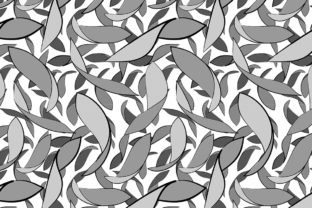
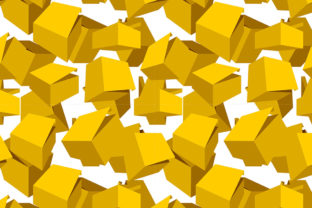
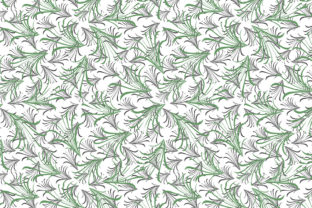
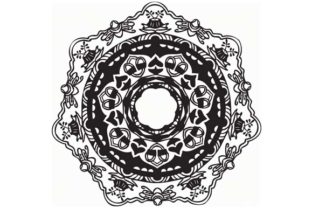
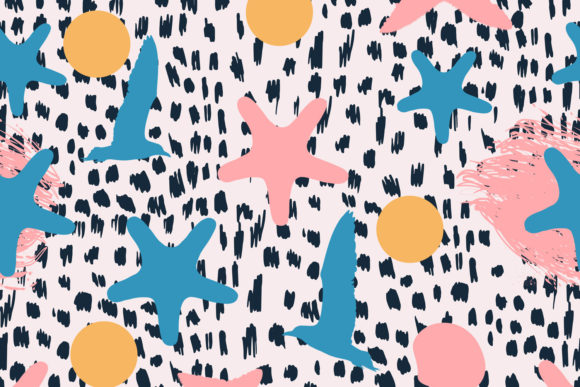
Abstract Vector Pattern Design isn’t just decorative—it’s functional infrastructure for visual communication. When you work with a hand-drawn, mesh-filled vector object—fully scalable, color-ready, and built for flexibility—you’re not adding “art for art’s sake.” You’re embedding intelligent design into presentations, branding assets, digital interfaces, print layouts, or educational materials. This kind of Abstract Vector Pattern Design bridges intention and execution: it’s precise enough for professional output, expressive enough for creative storytelling, and adaptable enough to evolve with your project’s needs.
Why Scalability Matters More Than You Think
Imagine preparing a social media banner, then realizing you need the same motif on a trade show backdrop, a business card, and an animated website header. Raster files—like standard JPEGs—blur, pixelate, or lose fidelity when stretched beyond their original dimensions. A true Abstract Vector Pattern Design avoids that entirely. Because it’s built in vector format (EPS included), every curve, angle, and gradient remains razor-sharp at any size—from a 16-pixel favicon to a 20-foot wall graphic. That means no last-minute redesigns, no frantic resampling, and no compromised quality when priorities shift mid-project.
This scalability also supports iterative design. You can test variations—zooming in to refine detail, scaling down to check legibility on mobile, rotating to explore rhythm and flow—all without generating new assets. For freelancers juggling multiple clients or educators building reusable classroom visuals, that fluidity saves hours across weeks, not just minutes per file.
Color-Filled Mesh Tool: Control Without Compromise
The bucket mesh tool isn’t just a technical detail—it’s where precision meets expression. Unlike flat fills or basic gradients, mesh coloring allows nuanced light, depth, and texture within a single vector shape. The result? An Abstract Vector Pattern Design that feels tactile and intentional, not generic or algorithmically generated. You can adjust individual mesh points to emphasize movement, soften edges, or harmonize with brand palettes—without switching tools or exporting to raster editors.
For marketers aligning visuals with tone (e.g., warm, energetic patterns for wellness brands; cooler, structured motifs for tech reports), this level of granular control matters. It lets you fine-tune perception—not just aesthetics. And because the colors are embedded directly in the vector, they remain editable in Illustrator, Affinity Designer, CorelDRAW, or other vector-compatible software. No hunting through layers or reapplying swatches.
Hand-Drawn Authenticity Meets Digital Utility
There’s growing demand for visuals that feel human-made—not sterile or AI-saturated. A hand-drawn Abstract Vector Pattern Design delivers that authenticity while retaining full digital utility. It carries organic rhythm and subtle imperfection, which builds trust in contexts like nonprofit storytelling, artisanal product packaging, or educator-led course materials. Yet unlike scanned sketches, it’s not locked in resolution or format. You can rotate it 45° for dynamic layout balance, flip it horizontally to mirror composition, or isolate sections using pathfinder tools—all without degradation.
Small business owners launching a new line of stationery, for example, might use the same base pattern across letterhead, stickers, and Instagram Stories. With a hand-drawn vector, they maintain brand cohesion *and* visual warmth—no need to commission separate illustrations for each medium.
What’s Included—and Why Each File Type Has Purpose
- EPS file: The production-ready vector backbone—editable, resolution-independent, and compatible with industry-standard workflows.
- JPEG file: A quick-reference preview. Useful for mood boards, client approvals, or CMS uploads where vector support isn’t available.
- Help file: Clear, concise instructions—not assumptions. Especially valuable for non-designers (educators, bloggers, startup founders) who need to apply the asset confidently, not decode software manuals.
- Licensed use: Legal clarity matters. Knowing exactly how and where you can deploy the Abstract Vector Pattern Design—commercially, across platforms, in derivatives—reduces risk and supports ethical reuse.
Realistic Use Cases Across Roles
A freelance UX designer integrates the pattern as a subtle background layer in Figma mockups—scaling it to fit varying screen sizes while preserving visual hierarchy. A university lecturer uses it to illustrate abstract concepts (e.g., network connections, data flow) in lecture slides—rotating and recoloring to match course themes without altering meaning. A craft brewery owner applies it to label templates, then modifies stroke weight and opacity for bottle vs. tap handle versions—keeping production timelines tight.
Even hobbyists benefit: someone designing custom greeting cards in Canva can import the JPEG for immediate use, then later upgrade to the EPS in Illustrator once they’re ready to expand into printed runs or merchandise.
When to Consider Alternatives
This Abstract Vector Pattern Design excels when you need a single, expressive motif that scales, adapts, and retains character. It’s less ideal if your project requires photorealistic textures, complex multi-layered animations, or hundreds of coordinated pattern repeats (e.g., seamless textile prints). In those cases, dedicated pattern brushes, tile scripts, or AI-assisted generation tools may complement—but not replace—the focused utility of a hand-crafted, mesh-filled vector object.
Also worth noting: while the included help file simplifies onboarding, users unfamiliar with vector editing may still benefit from 10–15 minutes exploring basic functions (e.g., selecting anchor points, using the color picker, grouping elements). That learning investment pays off across dozens of future projects—not just this one.
Getting Started Is Simpler Than You Expect
You don’t need advanced training to begin. Double-click the EPS file—it will likely open in your default vector application (or prompt you to choose one). From there, select the object and use standard transform tools: drag corners to scale, click-and-drag outside the bounding box to rotate, or use the fill panel to change colors instantly. Modify stroke weight, add transparency, or combine with text—no plugins or subscriptions required.
That simplicity is intentional. Time saved isn’t just about faster exports—it’s about preserving mental bandwidth for strategy, messaging, and audience connection. When the tool recedes into the background, your ideas move to the foreground.
A Final Thought
Good Abstract Vector Pattern Design doesn’t shout. It serves—quietly, reliably, and with intention. Whether you’re refining a pitch deck, illustrating a blog post, prototyping packaging, or building a learning module, having a versatile, human-crafted vector asset means one less logistical hurdle between concept and delivery. It’s not about replacing skill—it’s about honoring your time, amplifying your voice, and letting thoughtful design do consistent, quiet work.