Leafy Pattern: A Designer’s Guide to File Formats and Creative Uses
When it comes to digital design, the right file format can make all the difference in how your work is used, shared, and printed. One popular design resource that has gained traction among creatives is the Leafy Pattern. This downloadable pattern offers a versatile design element that can be used in various creative projects. Along with the pattern, you receive a collection of file formats tailored for different design software and tools. In this article, we’ll explore what Leafy Pattern is, why it matters, and how the included file formats can enhance your workflow.
What Is Leafy Pattern?
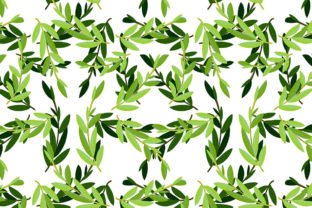
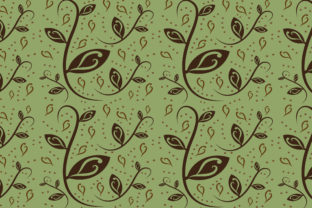
The Leafy Pattern is a repeating design made up of leaf motifs that can be used to add texture, color, and visual interest to a wide range of creative projects. Whether you're designing packaging, textiles, web graphics, or branding materials, leaf patterns offer a natural, organic aesthetic that can elevate your work. These patterns are often used in interior design, fashion, and graphic design to create a cohesive and visually appealing look.
One of the key benefits of using a Leafy Pattern is its versatility. It can be scaled, adjusted, and customized to fit different design needs. The pattern is available in multiple file formats, making it accessible to designers who use different software and tools. Let’s take a closer look at each of these formats and how they can be used effectively.
Understanding the Included File Formats
The Leafy Pattern download includes several file formats designed to work with a variety of design applications. Each format serves a specific purpose and is optimized for different uses. Here’s a breakdown of the files you’ll receive:
- AI File (Adobe Illustrator) – Ideal for vector-based design work, this format allows for precise editing and scalability without loss of quality.
- SVG File (Scalable Vector Graphics) – Perfect for use in the Cricut Design Room, Silhouette Designer Edition, and other cutting machines. SVG files are also compatible with most web platforms and design software.
- EPS File (Encapsulated PostScript) – Suitable for Adobe Illustrator, Inkspace, Corel Draw, and even Adobe Photoshop. EPS files maintain high quality and are great for print and professional use.
- PNG File (Portable Network Graphics) – A high-resolution raster format (300 dpi) that works well for web use, digital prints, and as background images.
- JPG File (Joint Photographic Experts Group) – Also high resolution (300 dpi), this format is ideal for sharing and printing, though it may not support transparency like PNG.
Choosing the Right Format for Your Project
Selecting the appropriate file format depends on your project's requirements and the tools you’re using. For example:
- If you're working on a vector-based design in Adobe Illustrator, the AI or EPS file will provide the best results.
- If you're preparing a design for a Cricut machine or Silhouette, the SVG file is the most suitable choice.
- For web use or digital displays, the PNG or JPG file is ideal due to their compatibility and high resolution.
It's also important to note that while some formats may be more versatile than others, having access to multiple versions ensures that you can adapt the Leafy Pattern to suit any project, whether it's for print, digital media, or physical products.
Why File Formats Matter in Design
File formats play a crucial role in the design process. They determine how your work is viewed, edited, and shared. Understanding the strengths and limitations of each format helps designers make informed decisions that align with their goals.
For instance, vector formats like AI and SVG are excellent for scalable designs that need to maintain clarity at any size. This makes them perfect for logos, icons, and illustrations that may be used across different platforms. On the other hand, raster formats like PNG and JPG are best suited for photographs, complex images, and backgrounds where pixel detail is important.
Additionally, file formats affect how your work is integrated into different workflows. If you're collaborating with other designers or clients, ensuring that your files are in the correct format can prevent compatibility issues and streamline the design process.
Practical Applications of Leafy Pattern
The Leafy Pattern is not just a decorative element—it's a functional design tool that can be applied in various contexts. Here are some practical uses:
- Branding and Packaging – Leafy patterns can be used to create unique brand identities, especially in industries like food, wellness, and eco-friendly products.
- Interior Design – These patterns can be incorporated into wall art, fabric designs, and textile prints to add a natural, organic feel to interiors.
- Digital Media – From website backgrounds to social media graphics, leafy patterns can enhance the visual appeal of digital content.
- Print and Craft Projects – With the right file format, leafy patterns can be used in scrapbooking, card making, and other DIY crafts.
By understanding how to use the Leafy Pattern and its associated file formats, you can unlock new creative possibilities and expand your design capabilities.
Common Misconceptions About Design Files
There are several misconceptions about design files that can lead to confusion or inefficiency. One common misunderstanding is that all file formats are interchangeable. In reality, each format has specific features and limitations that must be considered based on the intended use.
Another misconception is that higher resolution always means better quality. While high-resolution files like 300 dpi PNGs and JPGs are ideal for print, they may not be necessary for web use, where lower resolutions can still provide excellent results without compromising performance.
It's also important to recognize that some design software may not support certain file formats. Always check the compatibility of your files before exporting or sharing them with others.
Conclusion
The Leafy Pattern is a valuable resource for designers looking to incorporate natural, organic elements into their work. With the inclusion of multiple file formats, it offers flexibility and accessibility for a wide range of creative applications. By understanding the purpose and use cases of each format, you can maximize the potential of your design projects and ensure that your work is both functional and aesthetically pleasing.
Whether you're a beginner exploring design tools or an experienced designer looking to expand your toolkit, the Leafy Pattern provides a solid foundation for creativity. Embrace the versatility of the included file formats and discover how they can enhance your workflow and bring your ideas to life.