Elegant Floral Vector Pattern Design
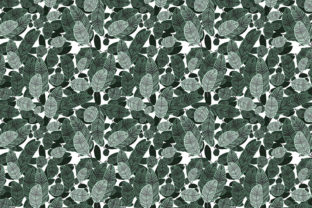
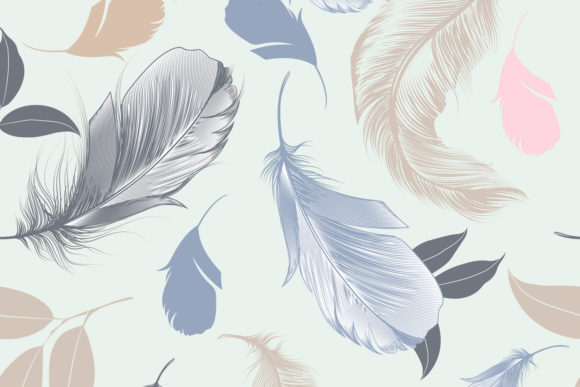
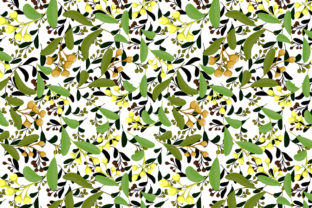
An Elegant Floral Vector Pattern Design is more than a decorative asset—it’s a functional, scalable building block for visual communication. Designed with precision using the bucket mesh tool, it delivers smooth color transitions and crisp edges at any size. Unlike raster-based florals that blur or pixelate when enlarged, this vector object retains clarity whether scaled to fit a business card or stretched across a trade show banner. Its hand-drawn character gives warmth and authenticity, while its technical construction ensures reliability in professional workflows.
This design fits naturally into multiple phases of a project—not just as a final embellishment, but as an enabler from early planning through execution and refinement. For designers, it serves as a consistent stylistic anchor; for marketers, it reinforces brand tone without requiring custom illustration time; for educators and bloggers, it adds visual cohesion to presentations and digital handouts. Its role isn’t passive decoration—it supports intentionality, efficiency, and visual continuity.
How It Fits Into Real Workflows
Before starting a project, many creators spend time sourcing or sketching foundational assets. With the Elegant Floral Vector Pattern Design, that phase shortens significantly. Instead of commissioning custom artwork or adapting low-resolution images, you begin with a polished, production-ready element. This reduces decision fatigue early on—especially helpful when balancing tight deadlines or managing multiple deliverables.
During execution, the design integrates smoothly into common tools. Open the EPS file in Adobe Illustrator, Affinity Designer, or CorelDRAW, and immediately adjust scale, rotation, or hue to match your layout. Because it’s built with clean paths and mesh-filled gradients—not effects or raster overlays—it responds predictably to edits. You can isolate individual petals, recolor stems independently, or layer it beneath typography without clipping complications. That level of control means fewer revisions and less backtracking when client feedback requires subtle tonal shifts.
After delivery, consistency matters. If you’re building a brand system—say, for a boutique wellness studio or a small-batch stationery line—the floral pattern becomes part of a repeatable visual language. Use it across email headers, packaging mockups, and social media templates. Because it’s vector-based and includes a JPEG fallback, you maintain fidelity across platforms: high-res print materials, responsive web graphics, and even digital ads where file size and scalability are critical.
Compatibility and Practical Integration
The included file formats serve distinct purposes in your workflow. The EPS file preserves full editability—ideal for designers who need to tweak paths or integrate the pattern into larger illustrations. The JPEG provides immediate use in non-vector environments: PowerPoint decks, Canva layouts, or CMS-based blog posts where uploading SVGs isn’t supported. The help file isn’t just boilerplate—it outlines common pitfalls (like accidental rasterization in older software versions) and confirms license boundaries so you avoid missteps during client work or commercial distribution.
Compatibility extends beyond software. This design works alongside standard design systems: pair it with Google Fonts for clean typography contrast, align it with Figma’s auto-layout frames for responsive card designs, or import it into InDesign as a seamless background swatch. It doesn’t require plugins, scripts, or third-party extensions—just double-click or drag into your workspace. That simplicity lowers the barrier for freelancers juggling multiple tools or educators introducing design concepts to beginners.
Preparation Tips for Smoother Use
- Organize by purpose: Keep a dedicated folder for “floral accents” containing this pattern alongside complementary elements—vintage borders, minimalist line icons, or coordinating color palettes. Label subfolders by use case (e.g., “Email Headers,” “Packaging Mockups”) so retrieval takes seconds, not minutes.
- Test scaling early: Before committing to a layout, zoom to 400% in your vector editor. Check for unintended overlaps or thin strokes that may vanish at smaller sizes. The mesh fill handles gradients gracefully, but path density still affects rendering at extreme reductions.
- Preserve original layers: When modifying, duplicate the base layer first. Rename copies meaningfully (“floral–navy-variant,” “floral–reduced-opacity”) rather than relying on generic “copy 1” labels. This supports version control and makes collaboration clearer if sharing files with teammates or clients.
Efficiency Gains Across Roles
For small business owners launching a new product line, this pattern cuts hours off design prep. Instead of hiring an illustrator for custom motifs—or settling for generic stock graphics—you apply a cohesive, hand-crafted look across labels, website banners, and Instagram stories. That visual unity builds recognition faster, especially when audiences encounter your brand across fragmented touchpoints.
Freelancers benefit from predictable reuse. Once you’ve adapted the pattern for one client’s brand palette, the same adjustments often transfer to similar projects—say, a wedding planner and a yoga studio both preferring soft sage and cream tones. Document those color values and transformation steps in your process notes. Over time, you build a lightweight style guide that accelerates quoting and delivery.
Hobbyists and educators appreciate how little setup it requires. A teacher preparing a printable worksheet on botany can drop the floral pattern behind a labeled diagram—no tracing, no alignment guesswork. A hobbyist making handmade greeting cards can rotate and layer instances to create unique arrangements without advanced vector skills. The design meets users where they are, not where software assumes they should be.
Long-Term Usability Considerations
Vector assets age well—but only if managed thoughtfully. Store the original EPS as an unedited master. Save modified versions with descriptive names and dates. Avoid embedding the pattern directly into large multi-page documents unless necessary; linking externally keeps file sizes lean and updates centralized. If you later expand your toolkit—adding Pantone swatches or CMYK profiles—revisit the pattern to ensure color fidelity remains consistent across output types.
Also consider accessibility. While the floral motif itself is decorative, ensure sufficient contrast between it and overlaid text. Use the JPEG preview to test readability on different screens, and adjust opacity or placement if needed. This isn’t about rigid compliance—it’s about ensuring your message stays legible, regardless of how or where someone engages with your work.
The Elegant Floral Vector Pattern Design doesn’t replace creative judgment—it supports it. It saves time not by doing the thinking for you, but by removing repetitive technical hurdles. Whether you’re refining a pitch deck before a client meeting, prepping course materials for next semester, or prototyping packaging for a Kickstarter campaign, it functions as a quiet, reliable collaborator. Its value lies not in complexity, but in thoughtful construction—designed to integrate, adapt, and endure across real-world constraints and changing priorities.